

1. Why Do You Need Our Gastrointestinal Disease Rapid Test?
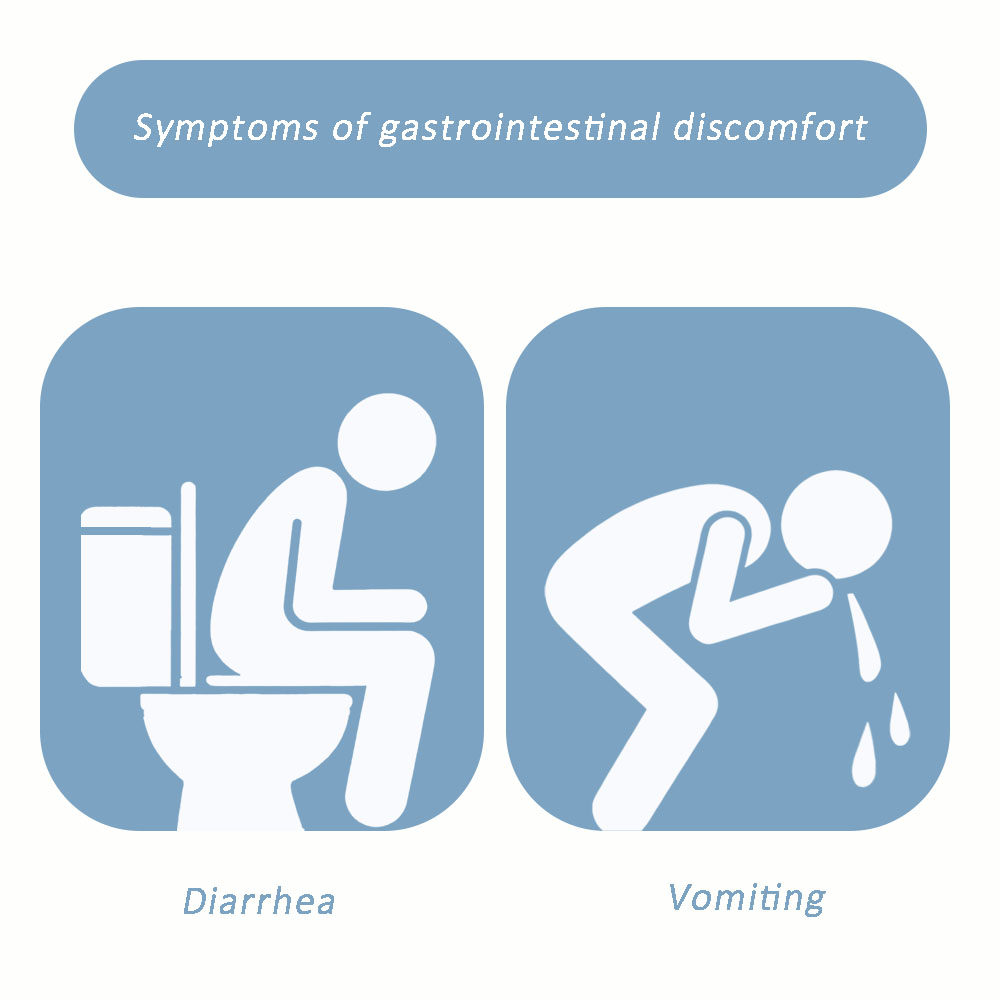
Gastrointestinal infections and related diseases are major global health threats, involving various pathogens including bacteria, viruses, and parasites. H. pylori infection affects over 90% of people with gastrointestinal symptoms and is closely associated with stomach cancer; Norovirus causes approximately 685 million diarrhea cases annually, accounting for 18% of acute gastroenteritis, and is prone to outbreaks in hospitals, nursing homes, schools, and other collective settings; Rotavirus is the leading cause of diarrhea in infants and young children, often leading to severe complications such as dehydration; Vibrio cholerae and Salmonella Typhi spread through contaminated food and water, and severe cases can be life-threatening. Additionally, diseases like colorectal cancer, ulcers, and chronic enteritis often show no obvious symptoms in the early stages, only presenting with fecal occult blood, which is easily missed by traditional testing, delaying the optimal intervention time.
These diseases have hidden transmission routes (fecal-oral transmission, contact transmission, etc.) and spread rapidly. Traditional laboratory testing relies on complex equipment and molecular techniques (such as PCR), which are cumbersome and time-consuming (taking more than 48 hours), failing to meet the core demand for “early detection and intervention” in clinical emergencies, public health emergency prevention and control, institutional batch screening, and other scenarios. Our rapid gastrointestinal test products, based on advanced chromatographic immunoassay technology, accurately match the actual pain points of medical institutions, CDCs, nursing homes, schools, and other settings, quickly identifying the cause and seizing critical time for treatment formulation and prevention implementation.
2. Why Choose Our Test Products?
2.1 Authoritative Certification, Superior Quality
All products have obtained QMS Certification (ISO 13485 and MDSAP), strictly complying with international medical quality management system standards. The entire process from raw material procurement, production technology to finished product inspection is controllable, ensuring accurate and reliable test results. This provides a solid compliance basis for clinical diagnosis and prevention decisions, meeting the rigorous requirements of global medical and public health institutions.
2.2 Comprehensive Coverage, No Missed Detection
Covering more than 20 core test solutions, we achieve multi-dimensional etiological investigation, including:
- Bacteria: H. Pylori, Salmonella Typhi, Vibrio cholerae O1/O139, Shigella, Campylobacter jejuni, etc.
- Viruses: Norovirus, Rotavirus, Adenovirus, Hepatitis A Virus, Hepatitis E Virus, etc.
- Parasites: Entamoeba Histolytica, Giardia Lamblia, Cryptosporidium, Trichomonas vaginalis, etc.
- Gastrointestinal injury-related indicators: Fecal Occult Blood, Transferrin, Calprotectin, Lactoferrin, etc.
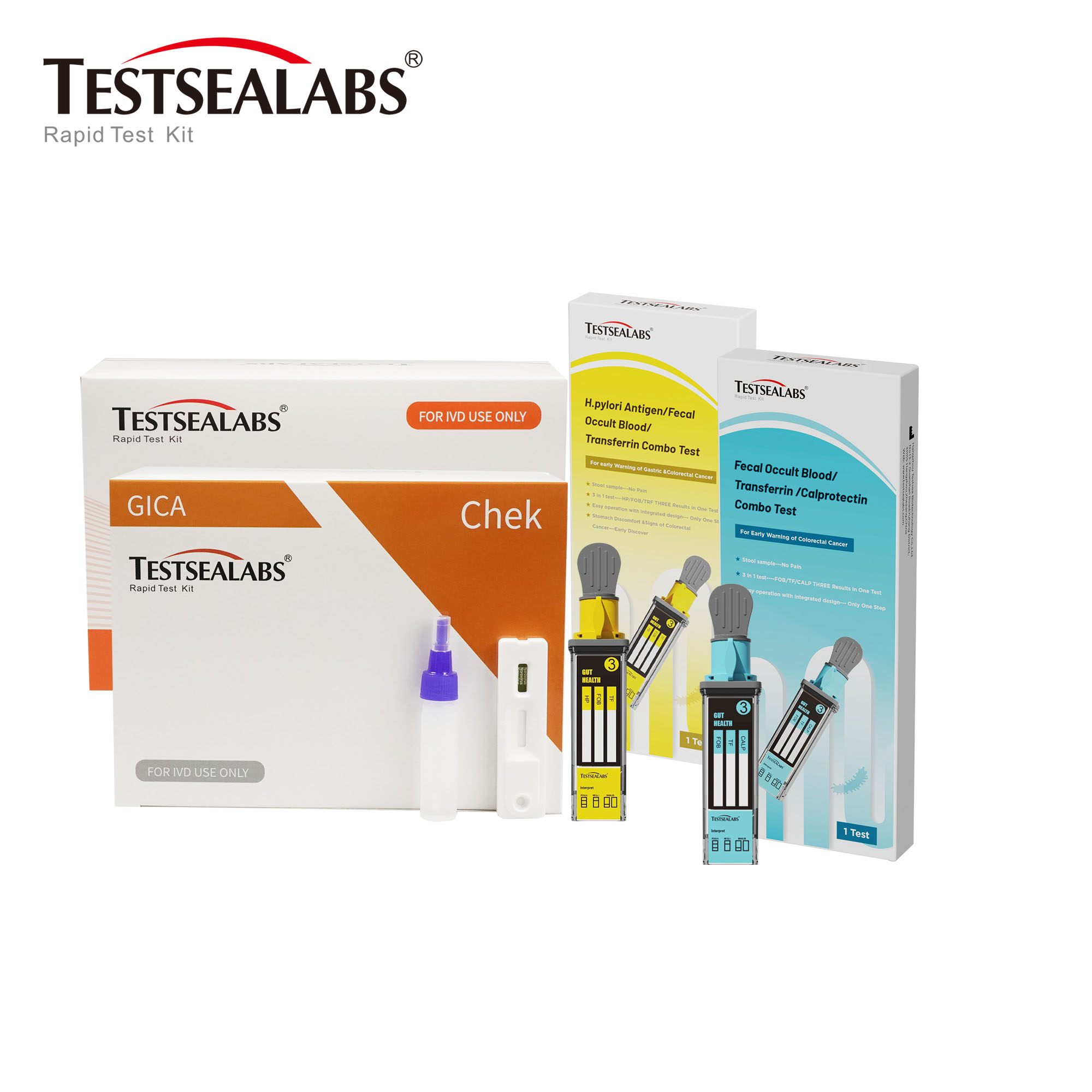
We offer both single-pathogen precise detection and combined infection tests (e.g., Rotavirus+Adenovirus+Norovirus Combo Test, H. Pylori+Occult Blood+Transferrin Combo Test, Shigella+Salmonella+Campylobacter Combo Test), adapting to the diagnostic needs of different clinical scenarios and avoiding missed or incorrect diagnoses.
2.3 Advanced Technology, Precise Empowerment
All products are developed based on Rapid Chromatographic Immunoassay technology, a mature and reliable diagnostic method widely recognized in the medical field. Its technical principles and core advantages are as follows:
2.3.1 Testing Principle
Relying on capillary action, the preprocessed sample (feces, blood, water sample, etc.) flows passively on a porous membrane and undergoes an immune reaction with specific monoclonal antibodies pre-coated on the membrane. The antibodies accurately recognize target antigens—for example, Norovirus tests target the major capsid protein (which forms virus-like particles, VLPs, that mimic the structure and function of the actual virus) and specifically bind to its S domain or P domain; H. Pylori tests recognize unique bacterial antigens. This binding forms antigen-antibody complexes, which present visual results through colored labeled particles (such as gold nanoparticles), realizing qualitative detection of the target pathogen or indicator.
2.3.2 Core Components
A standard test device consists of four key parts, each with a critical role:
- Sample Pad: Where the prepared patient sample is applied. It filters out large particles in the sample (such as undigested food residues in feces) to ensure smooth flow of the liquid sample and prevent membrane clogging.
- Conjugate Pad: Contains dried detection reagents—monoclonal antibodies specific to the target antigen, linked to colored particles (e.g., gold nanoparticles). When the sample reaches this pad, the target antigen (if present) binds to the labeled antibodies to form antigen-antibody complexes.
- Nitrocellulose Membrane (NC Membrane): The core component where the immune reaction and result display occur. It has two distinct lines:
○ Test Line (T-line): Immobilized with specific antibodies that can bind to the target antigen. If the sample contains the target antigen, the antigen-antibody complexes formed in the conjugate pad will bind to the antibodies on the T-line, forming a visible colored line.
○ Control Line (C-line): Contains antibodies that capture excess labeled antibodies, regardless of the presence of the target antigen. It verifies whether the sample flow is smooth and the reagents are effective.
- Absorbent Pad: Located at the end of the strip, it acts like a wick, drawing the sample forward through siphon effect to ensure continuous and sufficient reaction between the sample and reagents across the entire membrane.
2.3.3 Standardized Testing Process
The operation follows a simple five-step process, suitable for professional use in various settings:
- Sample Collection: Collect the corresponding specimen (feces, whole blood/serum/plasma, fecal extract/water sample, etc.) according to the test requirements.
- Sample Preparation: Mix the collected sample with a special buffer solution to extract the target antigen and eliminate interfering substances, making the sample suitable for testing.
- Applying the Sample: Add a specific number of drops of the prepared sample to the sample well on the test cassette.
- Waiting for Results: Allow the sample to migrate across the membrane through capillary action, and wait for the reaction to complete—most products take 15 minutes, while core products such as Vibrio Cholerae Test and Fecal Occult Blood Test only take 5 minutes.
- Reading the Results: Judge the result based on the presence or absence of colored lines on the T-line and C-line.
2.4 Easy Operation, Time-Saving
Adopting an integrated strip/cassette design, sample collection is convenient (supporting multiple sample types such as feces, whole blood/serum/plasma, fecal extract/water sample). The detection speed is far faster than traditional laboratory methods, significantly shortening the diagnosis cycle. No professional laboratory environment or complex instruments are required, making it suitable for bedside testing in emergency departments, on-site screening by CDCs, batch testing in institutions, and other scenarios where rapid results are needed.
2.5 Scenario-Adaptable, Flexible Customization
We provide 25T/40T specifications to meet the batch needs of different scenarios:
- Hospitals: Daily diagnosis, emergency triage, and inpatient etiological investigation.
- CDCs: Emergency response to outbreaks, water source monitoring, and epidemic surveillance.
- Nursing Homes/Schools/Enterprises: Routine health monitoring and group screening for collective settings.
- Intestinal Clinics/Infectious Disease Hospitals: Targeted detection of specific pathogens (e.g., Vibrio cholerae, Salmonella Typhi, Shigella).
- Physical Examination Centers: Early screening of gastrointestinal diseases and chronic infection monitoring.
Each product is accompanied by a detailed operation manual and result interpretation guide, reducing the use threshold for institutional staff.
3. What Can We Bring You?
3.1 Efficient Support for Clinical Diagnosis
Relying on advanced chromatographic immunoassay technology, our products quickly clarify the etiology, helping medical staff accurately distinguish between bacterial, viral, parasitic infections and gastrointestinal mucosal injuries. This avoids blind use of antibiotics and diagnostic delays, improves the efficiency of patient triage and treatment, and is especially valuable for rapid assessment of emergency patients, etiological investigation of hospitalized patients, and precise diagnosis of infant diarrhea. For example, in pediatric clinics, the Rotavirus+Adenovirus+Norovirus Combo Test can quickly identify the cause of diarrhea in children, guiding targeted treatment and reducing the risk of dehydration. In intestinal clinics, the Shigella+Salmonella+Campylobacter Combo Test can quickly screen common bacterial pathogens causing diarrhea, avoiding misdiagnosis caused by single-pathogen testing.
3.2 Precise Public Health Prevention and Control
In outbreak scenarios, rapid screening with our products can quickly lock in infection sources, providing a scientific basis for isolation and control, environmental disinfection, and close contact tracing. For instance, during Norovirus outbreaks in nursing homes or schools, testing can be completed in 15 minutes, enabling timely implementation of isolation measures for infected individuals and enhanced environmental disinfection, thereby curbing the spread of the epidemic. The Vibrio Cholerae O1/O139 Combo Test, which takes only 5 minutes, supports rapid response to public health emergencies such as waterborne cholera outbreaks, helping CDCs quickly assess the risk and take control measures.
In line with the diagnostic protocols of authoritative institutions such as the CDC, our products provide corresponding infection control recommendations while delivering test results. This includes precautions such as maintaining Contact Precautions for Norovirus patients for at least 48 hours after symptom resolution (up to 5 days for infants and young children), minimizing patient movement in wards during outbreaks, and strengthening cleaning and disinfection of frequently touched surfaces. This forms a closed-loop support of “testing-diagnosis-prevention and control,” helping institutions effectively manage infection risks.
3.3 Accurate Protection for Health Screening
For diseases with no obvious early symptoms such as colorectal cancer, chronic enteritis, and peptic ulcers, the combined detection of Fecal Occult Blood, Transferrin, and Calprotectin can achieve early warning. Transferrin is almost absent in the feces of healthy people but is abundant in patients with gastrointestinal bleeding; Calprotectin, as an acute inflammatory marker, can reflect intestinal inflammation; Lactoferrin is a sensitive indicator of bacterial intestinal infection and inflammatory bowel disease. The combined detection of these indicators improves the positive detection rate of early gastrointestinal diseases, providing data support for health management and early intervention. Additionally, the H. Pylori Test can assist in the screening of precancerous gastric lesions, helping high-risk groups take timely eradication treatment and reducing the risk of developing stomach cancer. The Hepatitis A/E Virus Test is suitable for group screening in catering industries and schools to prevent foodborne hepatitis outbreaks.
3.4 Reliable Results Backed by Technical Guarantees
All products use high-specificity monoclonal antibodies to accurately recognize target antigens, reducing false positives caused by cross-reactions with unrelated pathogens. For example, the Rotavirus+Adenovirus+Norovirus Combo Test uses three sets of specific antibodies that do not cross-react with each other or with other common enteroviruses. The strict quality control system covers the entire production process, from raw material inspection (antibody purity, colloidal gold particle size) to semi-finished product testing (reaction speed, color intensity) and finished product verification (accuracy, precision), ensuring the stability and consistency of test results. We also provide clear result interpretation standards:
- Positive Result: Both the C-line and T-line show colored lines, indicating the presence of the target antigen in the sample.
- Negative Result: Only the C-line shows a colored line, and no line appears on the T-line, indicating that the target antigen was not detected.
- Invalid Result: No colored line appears on the C-line, regardless of the T-line. This indicates that the test is invalid (possibly due to improper operation or reagent failure), and the test should be repeated with a new device.
The C-line is a key indicator of test validity—it confirms that the sample has flowed smoothly through the entire cassette and the reagents are active. A visible C-line ensures the reliability of the test result.
3.5 Professional Support, Worry-Free Whole Process
We provide comprehensive professional support to cooperating institutions:
- Technical Training: Conduct on-site or online training for staff to help them master sample collection, preparation, operation processes, and result interpretation, and provide training materials and operation videos for follow-up review.
- After-Sales Consulting: Set up a dedicated technical support team with 24-hour response capability to promptly answer questions encountered in use, such as abnormal results and operation problems.
- Update of Prevention and Control Guidelines: Based on the latest public health policies and epidemiological data (such as the emergence of new Norovirus variants), provide updated infection control suggestions and product adaptation solutions to help institutions adapt to changing epidemic prevention needs.
- All Product Highlights
| Core Test Items | Specimen Type | Reading Time | Technical Advantages | Core Application Scenarios | |
| H. Pylori Ab/Ag Test | Whole Blood/Serum/Plasma/Feces | 15 mins | Monoclonal antibodies specifically bind to H. Pylori antigens/antibodies; Ab test for infection screening, Ag test for active infection detection; no cross-reaction with other gastric bacteria | Hospital diagnosis, physical examination center screening, chronic disease management, gastroenterology clinics | |
| Norovirus Antigen Test | Feces/Vomitus Extract | 15 mins | Targets major capsid protein S/P domains; covers common Norovirus genotypes (GII.4, GII.17); rapid screening of outbreak sources | CDC emergency response, hospital emergency department, nursing home/school/kindergarten screening | |
| Rotavirus+Adenovirus+Norovirus Combo Test | Feces | 15 mins | Triple specific antibodies; simultaneous detection of three major diarrhea-causing viruses; high sensitivity (≥95%); no cross-reaction | Pediatric hospitals, community health service centers, infant care institutions, maternal and child health hospitals | |
| Vibrio Cholerae O1/O139 Combo Test | Fecal Extract/Water Sample | 5 mins | High specificity for Vibrio cholerae O1/O139 antigens; resistant to water sample interference; rapid emergency response | CDC water monitoring, port quarantine, intestinal clinics, epidemic area screening | |
| Salmonella Typhi Test | Whole Blood/Serum/Plasma | 15 mins | Targets Salmonella Typhi-specific O and H antigens; assists in early diagnosis of typhoid fever; distinguishes from other Salmonella species | Infectious disease hospitals, CDC epidemic investigation, high-incidence area screening | |
| Shigella Test | Fecal Extract | 15 mins | Covers Shigella flexneri, Shigella sonnei; specific antibody binding; avoids false positives from E. coli | Intestinal clinics, CDC diarrhea outbreak investigation, school canteen screening | |
| Campylobacter jejuni Test | Fecal Extract | 15 mins | Targets Campylobacter jejuni-specific flagellin antigen; high sensitivity for acute infection; rapid detection | Hospital gastrointestinal clinics, CDC foodborne disease investigation, poultry processing plant screening | |
| Shigella+Salmonella+Campylobacter Combo Test | Fecal Extract | 15 mins | Three-pathogen simultaneous detection; covers major bacterial diarrhea pathogens; simplifies screening process | Comprehensive hospitals, infectious disease hospitals, CDC batch screening | |
| Occult Blood+Transferrin+Calprotectin Combo Test | Feces | 5 mins | Multi-index synergy; antibody method avoids dietary interference (e.g., animal blood, spinach); high sensitivity for early mucosal injury | Physical examination centers, gastroenterology departments, colorectal cancer screening, inflammatory bowel disease monitoring | |
| Lactoferrin Test | Feces | 15 mins | Sensitive indicator of intestinal inflammation; distinguishes bacterial infection from viral infection; assists in IBD diagnosis | Pediatric hospitals, gastroenterology clinics, inflammatory bowel disease specialist centers | |
| Entamoeba Histolytica Antigen Test | Fecal Extract | 5 mins | Specifically captures Entamoeba Histolytica trophozoite/cyst antigens; distinguishes from non-pathogenic Entamoeba dispar | Intestinal clinics, tropical disease prevention, CDC parasite monitoring, border quarantine | |
| Giardia Lamblia Antigen Test | Fecal Extract | 15 mins | Targets Giardia Lamblia cyst wall antigen; high sensitivity for chronic infection; resistant to sample degradation | Pediatric hospitals, community health centers, CDC waterborne parasite investigation | |
| Cryptosporidium Antigen Test | Fecal Extract | 15 mins | Covers Cryptosporidium parvum/hominis; specific antibody binding; suitable for immunocompromised patient screening | HIV treatment centers, pediatric hospitals, nursing homes for the elderly | |
| Hepatitis A Virus IgM Test | Whole Blood/Serum/Plasma | 15 mins | Targets HAV IgM antibody; early diagnosis of acute hepatitis A; high specificity (≥98%) | Infectious disease hospitals, catering industry screening, school group physical examination | |
| Hepatitis E Virus IgM Test | Whole Blood/Serum/Plasma | 15 mins | Targets HEV IgM antibody; early diagnosis of acute hepatitis E; suitable for pregnant women and elderly screening | Infectious disease hospitals, maternal and child health hospitals, rural area screening | |
| Trichomonas vaginalis Antigen Test | Vaginal Secretion | 15 mins | Targets Trichomonas vaginalis surface antigen; rapid diagnosis of trichomoniasis; easier to operate than microscopic examination | Gynecology clinics, maternal and child health hospitals, STD prevention and control centers |
Disclaimer: This document contains product information for in vitro diagnostic use only. Actual performance may vary based on sample collection, storage, and operating conditions. Always follow the operation manual and consult healthcare professionals for clinical interpretation and medical advice.
Disclaimer: This press release contains forward-looking statements. Actual results may vary. Testsealabs’ products are for in vitro diagnostic use only. Always consult healthcare professionals for medical advice.
Post time: Dec-19-2025