
For most pharmacy chains and chain drug store buyers, the LH ovulation test is the right anchor for a fertility category, and the right category is the right place to start a private-label or co-branded retail program. The fertility category is a small but high-velocity category in a pharmacy or chain drug store, and the category is a low-floor, low-ceiling, high-margin category in a women’s health or family planning section. The category is the right category to start with a single anchor SKU, and the category is the right category to expand to a three-product family once the anchor SKU is established. Because the fertility category is high-velocity and high-margin, the category is the right place to invest in a private-label or co-branded program, and the category is the right place to invest in a wholesale MOQ that is the right MOQ for retail stock. This guide walks through the three-product fertility category, the wholesale program design, the storage and stock-rotation practices, the shelf design, the merchandising to the right customer, and the common mistakes when building the category, drawing on the Convention Fertility Test Series and the Hormone Rapid Test Series from Hangzhou Testsea Biotechnology (Testsealabs).
Why LH Ovulation Tests Are the Right Anchor for a Retail Fertility Category
There is a structural reason the LH ovulation test is the right anchor for a retail fertility category. The LH test is the highest-velocity SKU in the category, the LH test is the most-recurrent purchase in the category, and the LH test is the most-frequently-replenished SKU on the shelf. The LH test is the SKU that brings the customer back to the shelf 6 to 12 times a year, and the LH test is the SKU that creates the right brand affinity for the second and third SKUs in the category. Because the LH test is the highest-velocity SKU, the LH test is the right anchor to start the category, and the LH test is the right anchor to invest the wholesale MOQ in.
There is a second reason the LH test is the right anchor. The LH test is the SKU that pairs with the destination-market reproductive health conversation, and the LH test is the SKU that pairs with the destination-market women’s health and family planning conversation. The pairing is the right place to start a private-label or co-branded program, and the pairing is the right place to publish the per-destination-market label and the per-destination-market instructions for use. The pairing is the right place to negotiate the OEM customisation, and the pairing is the right place to negotiate the wholesale agreement. The pairing is the right pairing to start the fertility category with.
There is a third reason the LH test is the right anchor. The LH test is the SKU that opens the door to the second and third SKUs in the category, and the LH test is the SKU that creates the right cross-sell opportunity for the hCG pregnancy test and the FSH menopause test. The cross-sell is the right place to set the shelf design, and the cross-sell is the right place to set the per-shelf quantity. The cross-sell is the right place to set the per-destination-market merchandising, and the cross-sell is the right place to set the per-destination-market private-label or co-branded program. The cross-sell is the right cross-sell for the right customer at the right time.
What Are the Three Product Types in a Fertility Category?
The right fertility category for a pharmacy or chain drug store shelf is a three-product family, and the three-product family is the right scope for the category. The three products are the LH ovulation test, the hCG pregnancy test, and the FSH menopause test, and the three products are the right three products to anchor the category. The three products cover the reproductive health conversation from cycle planning to pregnancy confirmation to menopause transition, and the three products cover the conversation without overlap. Because the three products cover the conversation without overlap, the three products are the right three products to anchor the category, and the three products are the right three products to publish on the shelf.
LH Ovulation Tests
LH (luteinising hormone) ovulation tests are the right anchor SKU for the category, and the LH test is the SKU that detects the LH surge in urine. The LH test is the right SKU to start the category with, and the LH test is the SKU that the customer buys on a recurring cycle. The LH test is the right SKU to invest the wholesale MOQ in, and the LH test is the right SKU to invest the OEM customisation in. The LH test is the right SKU to merchandise at eye level, and the LH test is the right SKU to position as the entry point to the category.
hCG Pregnancy Tests
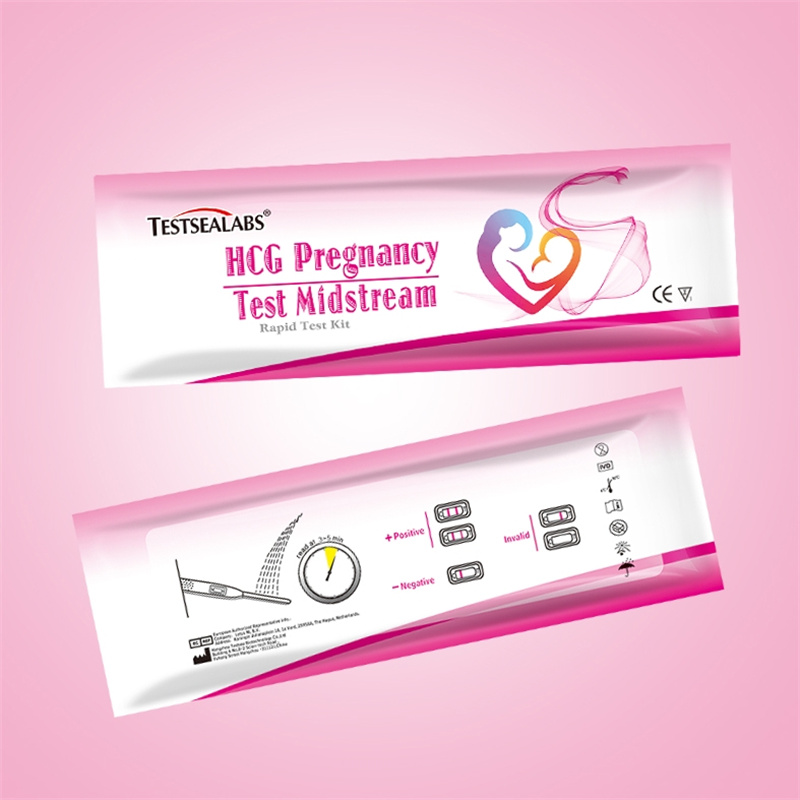
hCG (human chorionic gonadotropin) pregnancy tests are the right secondary SKU for the category, and the hCG test is the SKU that detects the hCG hormone in urine. The hCG test is the right SKU to position as the conversion SKU from the LH test, and the hCG test is the right SKU to position one shelf below the LH test. The hCG test is the right SKU to invest the second-priority wholesale MOQ in, and the hCG test is the right SKU to merchandise at the eye level for the customer who has completed the LH cycle and is looking for the next product. The hCG test is the right SKU to be the cross-sell from the LH test.
FSH Menopause Tests
FSH (follicle-stimulating hormone) menopause tests are the right tertiary SKU for the category, and the FSH test is the SKU that detects elevated FSH associated with the menopause transition. The FSH test is the right SKU to position on the bottom shelf of the category, and the FSH test is the right SKU to position as the completeness SKU. The FSH test is the right SKU to invest the third-priority wholesale MOQ in, and the FSH test is the right SKU to complete the category on the shelf. The FSH test is the right SKU to make the fertility category the right category to walk past, and the FSH test is the right SKU to make the fertility category the right category to be visible.
For the broader context of the reproductive health conversation and the destination-market women’s health and family planning context, the World Health Organization reproductive health programme is the right cross-industry reference for the global conversation that the three-product fertility category is the right entry point to. The three-product family is the right family for the destination-market conversation, and the three-product family is the right family for the destination-market category.
How Do You Build a Wholesale Program for a Retail Fertility Category?
The right way to build a wholesale program for a retail fertility category is to set the wholesale MOQ first, the OEM customisation threshold second, the destination-market labelling third, and the destination-market documentation fourth. The four thresholds are the right thresholds to publish in the wholesale agreement, and the four thresholds are the right thresholds to defend the wholesale program against the buyer’s procurement team. The right way to apply the four thresholds is to set the four thresholds on a per-destination-market basis, and the right way to publish the four thresholds is to write the four thresholds into the wholesale agreement. Because the four thresholds are the right thresholds to publish, the right way to build the wholesale program is to apply the four thresholds on a per-destination-market basis, and the right way to defend the wholesale program is to publish the four thresholds in the wholesale agreement.
The wholesale MOQ is the first threshold. The standard MOQ for a retail stock order is 5,000 pieces per SKU, and the right way to set the wholesale MOQ is to match the per-SKU MOQ to the destination-market category velocity. A 5,000-piece MOQ is the right MOQ for a destination-market category velocity of 200 to 500 pieces per month, and a 5,000-piece MOQ is the right MOQ for a 10- to 25-month shelf-life buffer. The right way to set the wholesale MOQ is to publish the per-SKU MOQ on the wholesale agreement, and the right way to publish the per-SKU MOQ is to write the per-SKU MOQ on the per-destination-market wholesale agreement.
The OEM customisation threshold is the second threshold. The standard OEM customisation threshold is 50,000 pieces, and the right way to set the OEM customisation threshold is to make the threshold the right threshold to negotiate private-label packaging, instructions for use, and destination-market language localisation. A 50,000-piece OEM threshold is the right threshold to amortise the private-label tooling cost across a per-destination-market volume that is the right volume for a 12- to 18-month inventory turn. The right way to set the OEM customisation threshold is to publish the threshold on the wholesale agreement, and the right way to publish the threshold is to write the threshold on the per-destination-market wholesale agreement. For the IVD packaging and quality standards that the OEM customisation has to respect, the ASTM standards catalogue is the right North American reference for the test methods and the tolerance bands that the OEM customisation has to respect.
The destination-market labelling and documentation are the third and fourth thresholds. The destination-market labelling is the right threshold to publish on the wholesale agreement, and the destination-market documentation is the right threshold to publish on the wholesale agreement. The destination-market labelling includes the per-destination-market language on the cassette foil pouch, the per-destination-market language on the box, and the per-destination-market language on the instructions for use. The destination-market documentation includes the per-destination-market certificate of analysis, the per-destination-market MSDS, and the per-destination-market regulatory clearance. The right way to set the destination-market labelling and documentation is to publish the labelling and documentation on the wholesale agreement, and the right way to defend the destination-market labelling and documentation is to publish the labelling and documentation against the destination-market regulatory clearance.
What Are the Right Storage and Stock-Rotation Practices for a Retail Shelf?
The right storage conditions for a fertility category rapid test are 4 to 30 degrees C ambient temperature, with a 24-month shelf life from the date of manufacture, and the right storage conditions are the right conditions for the closed-sealed foil pouch. The storage conditions are the right conditions for the unopened cassette, and the storage conditions are the right conditions for the destination-market warehouse. The right way to set the storage conditions is to publish the storage conditions on the wholesale agreement, and the right way to publish the storage conditions is to write the storage conditions on the per-destination-market wholesale agreement. Because the storage conditions are the right conditions for the cassette shelf life, the right way to manage the storage conditions is to manage the storage conditions on a per-destination-market basis, and the right way to defend the storage conditions is to publish the storage conditions on the wholesale agreement.
The right stock-rotation practice is first-in, first-out by the date of manufacture, and the right cadence to refresh a slow-moving SKU is at 18 months from the date of manufacture, which is the right point to refresh the shelf before the 24-month shelf life expires. The 18-month refresh point is the right point to recall the slow-moving SKU, and the 18-month refresh point is the right point to negotiate the right per-destination-market restock. The right way to set the stock-rotation practice is to publish the practice on the wholesale agreement, and the right way to publish the practice is to write the practice on the per-destination-market wholesale agreement.
The right way to manage the wholesale agreement is to set the per-destination-market warehouse conditions against the per-destination-market regulatory framework, and the right way to set the wholesale agreement is to defend the per-destination-market warehouse conditions against the per-destination-market regulatory framework. For the US destination-side regulatory framework, the FDA medical devices portal is the right North American reference for the in vitro diagnostic device classification that the wholesale agreement has to respect. For the maintenance-side reference on the per-destination-market warehouse conditions and the cold-chain logistics that the per-destination-market fertility category has to respect, the maintenance article published by Machinery Lubrication on belt-drive maintenance is a useful practitioner reference even though its primary subject is belt drives rather than diagnostic test logistics.
How Do You Merchandise a Fertility Category for the Right Customer?
The right way to merchandise a fertility category is to design the shelf for the right customer, which is the customer who is looking for the right product at the right time. The right customer is the customer who has been on the LH cycle, and the right customer is the customer who is looking for the hCG test or the FSH test as the next step. The right way to design the shelf for the right customer is to put the LH ovulation test at eye level, the hCG pregnancy test one shelf below, and the FSH menopause test on the bottom shelf. The right way to design the shelf is to put the highest-velocity SKU at the eye level, and the right way to design the shelf is to put the lowest-velocity SKU on the bottom shelf. Because the shelf design is the right design for the right customer, the right way to merchandise the fertility category is to design the shelf for the right customer, and the right way to defend the shelf design is to publish the shelf design on the per-destination-market merchandising SOP.
The right way to merchandise the fertility category is to design the per-SKU quantity on the shelf to match the per-SKU velocity. A 12 to 24-piece face-out quantity is the right quantity for the LH test, an 8 to 16-piece face-out quantity is the right quantity for the hCG test, and a 4 to 8-piece face-out quantity is the right quantity for the FSH test. The per-SKU quantity is the right quantity to match the per-SKU velocity, and the per-SKU quantity is the right quantity to set the per-SKU replenishment cycle. The right way to set the per-SKU quantity is to publish the quantity on the per-destination-market merchandising SOP, and the right way to defend the per-SKU quantity is to publish the quantity against the per-destination-market velocity.
The right way to merchandise the fertility category is to publish the per-destination-market label and the per-destination-market instructions for use on the shelf, and the right way to publish the per-destination-market label is to write the per-destination-market label on the cassette foil pouch and the per-destination-market box. The right way to publish the per-destination-market instructions for use is to write the per-destination-market instructions for use on the box, and the right way to publish the per-destination-market instructions for use is to set the per-destination-market instructions for use on the shelf. For the per-destination-market retail consumables and the per-destination-market shelf hardware, the cross-industry inventory of retail consumables maintained by McMaster-Carr is a useful North American reference for the per-destination-market retail consumables and the per-destination-market shelf hardware that the right way to merchandise the fertility category is the right way to source from.
What Are the Most Common Mistakes When Building a Retail Fertility Category?
After enough fertility category retail programs, the same five mistakes show up. They are not exotic. They are the predictable costs of treating the fertility category as a single-SKU program rather than as a three-product family, and they show up most often on a new buyer that is launching a fertility category on a chain drug store shelf for the first time.
- Launching with the hCG pregnancy test rather than the LH ovulation test. The most common mistake is to launch the category with the hCG pregnancy test, on the assumption that the hCG test is the more recognisable SKU. The assumption is wrong. The hCG test is a one-time purchase, the LH test is a recurring purchase, and the LH test is the right anchor to launch with. The hCG test is the right secondary SKU to position one shelf below the LH test, not the right anchor to launch the category with.
- Under-stocking the LH ovulation test on the shelf. The second most common mistake is to stock the LH test at 4 to 8 pieces face-out, the same as the FSH test, on the assumption that the LH test and the FSH test have the same velocity. The assumption is wrong. The LH test has 3 to 6 times the velocity of the FSH test, and the LH test is the right SKU to stock at 12 to 24 pieces face-out. The right per-SKU quantity is the right quantity to match the per-SKU velocity, and the right per-SKU quantity is the right quantity to set the per-SKU replenishment cycle.
- Skipping the OEM customisation threshold in the wholesale agreement. The third most common mistake is to launch the category on the standard MOQ only, and to skip the OEM customisation threshold. The OEM customisation threshold is the right threshold to negotiate private-label packaging, instructions for use, and destination-market language localisation, and the OEM threshold is the right threshold to amortise the private-label tooling cost across the destination-market volume. The right way to set the OEM customisation threshold is to publish the threshold on the wholesale agreement, and the right way to defend the threshold is to write the threshold into the per-destination-market wholesale agreement.
- Skipping the 18-month slow-mover refresh. The fourth most common mistake is to let the slow-moving FSH test sit on the shelf for 24 months, and to recall the FSH test only when the FSH test has expired. The right way to recall the slow-moving FSH test is at 18 months from the date of manufacture, and the 18-month recall is the right point to refresh the shelf before the 24-month shelf life expires. The right way to set the 18-month recall is to publish the recall on the per-destination-market merchandising SOP.
- Treating the fertility category as a single-SKU program rather than a three-product family. The fifth most common mistake is to treat the fertility category as a single-SKU program, and to launch the category with only the LH test or only the hCG test. The right way to launch the category is to launch the category with the three-product family, and the three-product family is the right scope for the destination-market category velocity. The right way to launch the category is to publish the three-product family on the per-destination-market wholesale agreement, and the right way to defend the three-product family is to publish the three-product family on the per-destination-market merchandising SOP. For the broader retail category economics that frame the fertility category on a per-destination-market basis, the BloombergNEF insights on retail services is a useful practitioner reference for the per-destination-market retail category framework.
None of these mistakes are unique to the fertility category. They are the standard category retail mistakes dressed up in IVD rapid tests, and the fix is the same three-product family and the same per-destination-market wholesale agreement. The right way to think about the three-product family is that the three-product family is the right family to launch the fertility category with, and the right way to defend the three-product family is to publish the three-product family on the per-destination-market wholesale agreement.
Frequently Asked Questions
What is the right wholesale MOQ for a retail fertility category?
The standard wholesale MOQ for a retail fertility category is 5,000 pieces per SKU, and the right way to set the wholesale MOQ is to match the per-SKU MOQ to the destination-market category velocity. A 5,000-piece MOQ is the right MOQ for a destination-market category velocity of 200 to 500 pieces per month, and a 5,000-piece MOQ is the right MOQ for a 10 to 25 month shelf-life buffer.
What is the right OEM customisation threshold for a private-label fertility category?
The standard OEM customisation threshold is 50,000 pieces, and the right way to set the OEM threshold is to make the threshold the right threshold to negotiate private-label packaging, instructions for use, and destination-market language localisation. A 50,000-piece OEM threshold is the right threshold to amortise the private-label tooling cost across a per-destination-market volume that is the right volume for a 12 to 18 month inventory turn.
What are the right storage conditions for a fertility category rapid test?
The right storage conditions for a fertility category rapid test are 4 to 30 degrees C ambient temperature, with a 24-month shelf life from the date of manufacture. The storage conditions are the right conditions for the closed-sealed foil pouch, and the storage conditions are the right conditions for the unopened cassette. The right way to set the storage conditions is to publish the storage conditions on the wholesale agreement.
What is the right stock-rotation practice for a fertility category shelf?
First-in, first-out by the date of manufacture, and the right cadence to refresh a slow-moving SKU is at 18 months from the date of manufacture, which is the right point to refresh the shelf before the 24-month shelf life expires. The right way to set the stock-rotation practice is to publish the practice on the per-destination-market merchandising SOP.
What are the three products in a fertility category?
The three products in a fertility category are the LH ovulation test, the hCG pregnancy test, and the FSH menopause test. The LH test is the highest-velocity SKU and the right anchor to launch the category with. The hCG test is the secondary SKU, positioned as the conversion from the LH test. The FSH test is the tertiary SKU, positioned as the completeness SKU on the bottom shelf of the category.
What is the right shelf design for a fertility category?
The right shelf design puts the LH ovulation test at eye level, the hCG pregnancy test one shelf below, and the FSH menopause test on the bottom shelf. The eye-level placement is the right placement for the highest-velocity SKU, the second-shelf placement is the right placement for the secondary SKU, and the bottom-shelf placement is the right placement for the tertiary SKU. The per-SKU quantity is 12 to 24 pieces face-out for the LH test, 8 to 16 pieces face-out for the hCG test, and 4 to 8 pieces face-out for the FSH test.
What is the right way to verify the product sensitivity of a fertility category rapid test?
The right way to verify the product sensitivity of a fertility category rapid test is to use the manufacturer’s published clinical study, the manufacturer’s published cross-reactivity panel, and the manufacturer’s published interfering-substance panel. The right way to publish the verification is to include the three panels on the wholesale agreement, and the right way to defend the verification is to publish the three panels on the destination-market regulatory clearance.
What is the right destination-market regulatory framework for a fertility category rapid test?
The right destination-market regulatory framework for a fertility category rapid test is the US FDA in vitro diagnostic device classification, the EU IVDR 2017/746 in vitro diagnostic medical device regulation, and the destination-market national medical device regulation. The right way to defend the regulatory framework is to publish the framework on the wholesale agreement, and the right way to publish the framework is to write the framework on the per-destination-market wholesale agreement.
Post time: Oct-14-2026