
In a concerning development, the World Health Organization (WHO) has sounded the alarm on chikungunya fever, a mosquito-borne disease, as the situation in Foshan, China, continues to escalate. As of July 23, 2025, Foshan has reported over 3,000 confirmed cases of chikungunya fever, all of which are mild cases, according to the latest local health authorities’ report.

Global Spread and Risk
Diana Alvarez, head of the WHO’s Arbovirus Team, stated at a press conference in Geneva on July 22 that the chikungunya virus has been detected in 119 countries and regions. An estimated 550 million people are at risk from this mosquito-borne virus, with the potential for large-scale outbreaks that could overwhelm healthcare systems. Alvarez pointed out that around 20 years ago, a major chikungunya fever outbreak in the Indian Ocean region affected approximately 500,000 people. This year, about one-third of the population on the French-owned Reunion Island in the Indian Ocean has been infected. The virus is also spreading in South-East Asian countries like India and Bangladesh. Moreover, European countries such as France and Italy have recently reported imported cases, with local transmission detected as well.
What is Chikungunya Fever?
Chikungunya fever is an acute infectious disease caused by the chikungunya virus, a member of the Alphavirus genus within the Togaviridae family. The name “chikungunya” is derived from the Kimakonde language in Tanzania, meaning “to become contorted,” which vividly describes the stooped posture of patients due to severe joint pain.
Symptoms
- Fever: Once infected, patients’ body temperatures can rapidly spike to 39°C or even 40°C, with the fever typically lasting from 1-7 days.
- Joint Pain: Severe joint pain is a hallmark symptom. It often affects the small joints of the hands and feet, such as the fingers, wrists, ankles, and toes. The pain can be so intense that it significantly impairs a patient’s mobility, and in some cases, the joint pain can persist for weeks, months, or even up to 3 years.
- Rash: After the high-fever stage, most patients develop a rash on the trunk, limbs, palms, and soles. The rash usually appears 2-5 days after the onset of the disease and is in the form of red maculopapules.
- Other Symptoms: Patients may also experience general myalgia, headache, nausea, vomiting, fatigue, and conjunctival congestion. In rare cases, some patients may have digestive-tract symptoms such as loss of appetite and abdominal pain.
Most patients can fully recover from chikungunya fever. However, in rare instances, severe complications such as bleeding, encephalitis, and myelitis may occur, which can be life-threatening. The elderly, infants, and individuals with underlying health conditions are at a higher risk of developing complications.

Transmission Routes
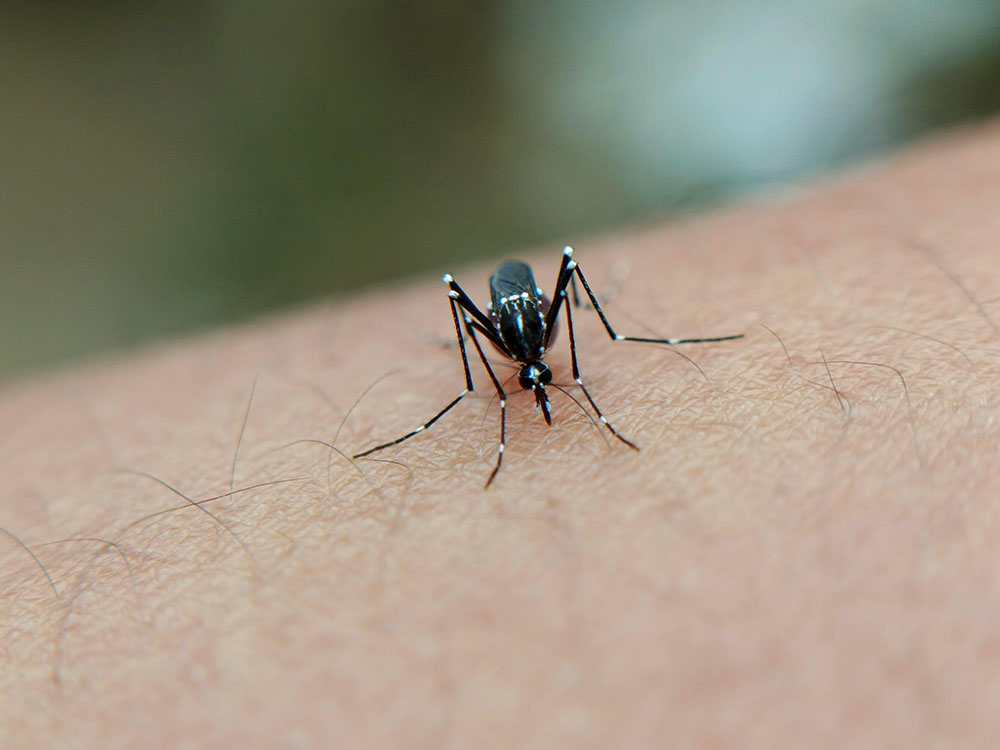
The primary mode of transmission for chikungunya fever is through the bite of infected Aedes mosquitoes, specifically Aedes aegypti and Aedes albopictus, also known as “flower-patterned mosquitoes.” These mosquitoes become infected when they bite a person or animal with viremia (the presence of the virus in the bloodstream). After an incubation period of 2-10 days within the mosquito, the virus multiplies and reaches the mosquito’s salivary glands. Subsequently, when the infected mosquito bites a healthy individual, the virus is transmitted, causing infection. There is no evidence of direct human-to-human transmission. The disease is typically prevalent in tropical and subtropical regions. Its spread is closely related to seasonal climate changes, often reaching an epidemic peak after the rainy season. This is because the increased rainfall provides more breeding grounds for Aedes mosquitoes, facilitating their rapid reproduction and thus enhancing the likelihood of virus transmission.
Detection Methods
Laboratory tests play a crucial role in the accurate diagnosis of chikungunya fever.
Virus Detection
Reverse-transcription polymerase chain reaction (RT-PCR) can be used to detect chikungunya virus RNA in serum or plasma, which can confirm the diagnosis. Isolating the virus from the patient’s serum is also a confirmatory method, but it is more complex and time-consuming.
Antibody Detection
- Chikungunya IgM Test: This test can detect IgM antibodies specific to the chikungunya virus. IgM antibodies usually start to appear in the blood 5 days after the onset of the disease. However, false-positive results may occur, so positive IgM results often need to be further confirmed by neutralizing antibody tests.
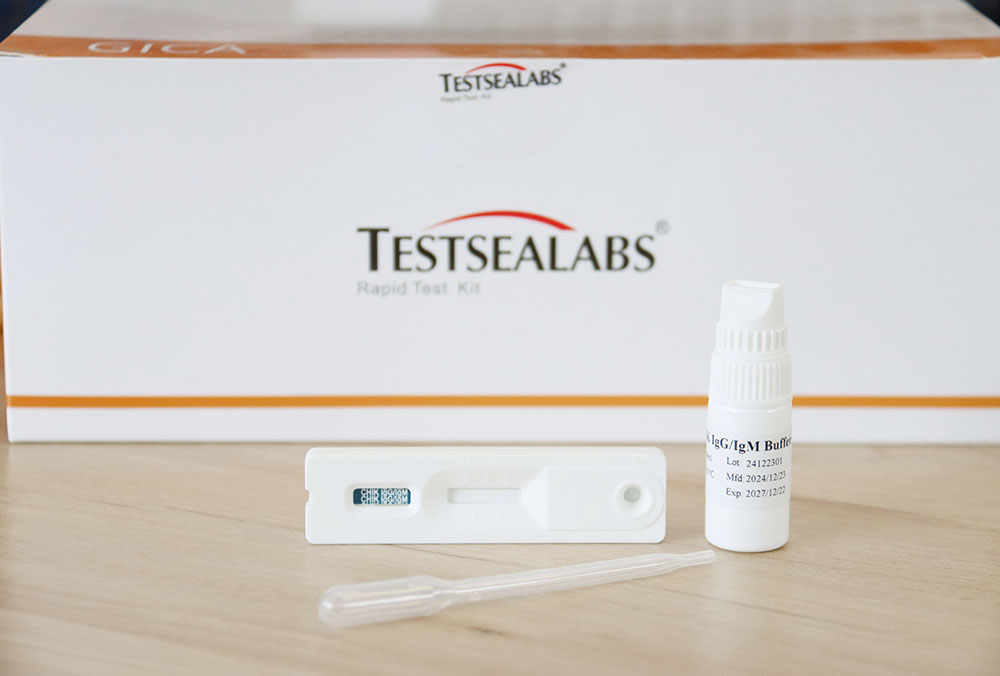
- Chikungunya IgG/IgM Test: This test can simultaneously detect both IgG and IgM antibodies. IgG antibodies appear later than IgM antibodies and can indicate past or previous exposure to the virus. A significant increase in IgG antibody titers between the acute-phase and convalescent-phase sera can also support the diagnosis.
- Combo Tests:
◦ Zika Virus Antibody IgG/IgM Test: Can be used when there is a need to distinguish chikungunya from Zika virus infections, as both are mosquito-borne diseases with some overlapping symptoms.
◦ ZIKA IgG/IgM + Chikungunya IgG/IgM Combo Test: Allows for the simultaneous detection of antibodies against Zika and chikungunya viruses, which is useful in areas where both viruses may be circulating.
◦ Dengue NS1 + Dengue IgG/IgM + Zika IgG/IgM Combo Test and Dengue NS1 + Dengue IgG/IgM + Zika + Chikungunya Combo Test: These are more comprehensive tests. They can detect not only chikungunya and Zika but also dengue virus markers. Since dengue, chikungunya, and Zika are all mosquito-borne diseases with similar symptoms in the early stages, these combo tests can help in accurate differential diagnosis. The following table summarizes the key aspects of these tests:
| Test Name | Detection Target | Significance |
| Chikungunya IgM Test | IgM antibodies against chikungunya virus | Early – stage diagnosis, indicates recent infection |
| Chikungunya IgG/IgM Test | IgG and IgM antibodies against chikungunya virus | IgM for recent infection, IgG for past or previous exposure |
| Zika Virus Antibody IgG/IgM Test | IgG and IgM antibodies against Zika virus | Diagnosis of Zika virus infection, useful for differential diagnosis with chikungunya |
| ZIKA IgG/IgM + Chikungunya IgG/IgM Combo Test | IgG and IgM antibodies against Zika and chikungunya viruses | Simultaneous detection of two related mosquito – borne virus infections |
| Dengue NS1 + Dengue IgG/IgM + Zika IgG/IgM Combo Test | Dengue NS1 antigen, IgG and IgM antibodies against dengue and Zika viruses | Detection of dengue and Zika, helps in differentiating from chikungunya |
| Dengue NS1 + Dengue IgG/IgM + Zika + Chikungunya Combo Test | Dengue NS1 antigen, IgG and IgM antibodies against dengue, Zika, and chikungunya viruses | Comprehensive detection of three major mosquito – borne virus infections |
Differential Diagnosis
Chikungunya fever needs to be differentiated from several other diseases due to its overlapping symptoms:
- Dengue Fever: Compared to dengue fever, chikungunya fever has a relatively shorter fever-period. But the joint pain in chikungunya is more pronounced and persists for a longer time. In dengue fever, joint and muscle pain are also present but are generally not as severe and long-lasting as in chikungunya. Additionally, chikungunya fever has a milder bleeding tendency compared to dengue fever. In severe cases of dengue, bleeding manifestations such as nosebleeds, gum bleeding, and petechiae are more common.
- Zika Virus Infection: Zika virus infection often causes milder symptoms compared to chikungunya. While both may present with fever, rash, and joint pain, the joint pain in Zika is usually less severe. Additionally, Zika virus infection is associated with specific complications such as microcephaly in infants born to infected mothers, which is not seen in chikungunya fever.
- O’nyong-nyong and Other Alphavirus Infections: These infections may have similar symptoms to chikungunya, including fever and joint pain. However, specific laboratory tests are required to accurately identify the causative virus. For example, molecular tests can distinguish between different alphaviruses based on their unique genetic sequences.
- Erythema Infectiosum: Erythema infectiosum, also known as fifth disease, is caused by parvovirus B19. It typically presents with a characteristic “slapped-cheek” rash on the face, followed by a lacy-like rash on the body. In contrast, the rash in chikungunya is more widespread and may not have the specific “slapped-cheek” appearance.
- Other Infectious Diseases: Chikungunya fever also needs to be differentiated from influenza, measles, rubella, and infectious mononucleosis. Influenza mainly presents with respiratory symptoms such as cough, sore throat, and nasal congestion in addition to fever and body aches. Measles is characterized by Koplik spots in the mouth and a characteristic rash that spreads in a specific pattern. Rubella has a milder course with a rash that appears earlier and fades faster. Infectious mononucleosis is associated with prominent lymphadenopathy and atypical lymphocytes in the blood.
- Rheumatic and Bacterial Diseases: Conditions like rheumatic fever and bacterial arthritis need to be considered in the differential diagnosis. Rheumatic fever is often associated with a history of streptococcal infection and may present with carditis in addition to joint symptoms. Bacterial arthritis usually affects one or a few joints, and there may be signs of local inflammation such as warmth, redness, and significant pain. Laboratory tests, including blood cultures and specific antibody tests, can help distinguish these from chikungunya fever.
Prevention
Preventing chikungunya fever mainly focuses on mosquito control and personal protection:
- Mosquito Control:
◦ Environmental Management: Since Aedes mosquitoes breed in stagnant water, eliminating potential breeding sites is crucial. This includes regularly emptying and cleaning containers that can hold water, such as flower pots, buckets, and old tires. In urban areas, proper management of water storage facilities and drainage systems can significantly reduce mosquito breeding.
◦ Mosquito Repellents and Protective Clothing: Using mosquito repellents containing active ingredients such as DEET (N,N-diethyl-m-toluamide), picaridin, or IR3535 can effectively repel mosquitoes. Wearing long-sleeved shirts, long pants, and socks, especially during peak mosquito-biting times (dawn and dusk), can also reduce the risk of mosquito bites.
- Public Health Measures:
◦ Surveillance and Early Detection: Establishing effective surveillance systems to detect cases of chikungunya fever promptly is essential. This allows for quick implementation of control measures to prevent further spread. In areas where the disease is endemic or at risk of introduction, regular monitoring of mosquito populations and virus activity is necessary.
◦ Isolation and Treatment of Patients: Infected patients should be isolated to prevent further mosquito bites and subsequent transmission of the virus. Hospitals and healthcare facilities should also take appropriate measures to prevent nosocomial (hospital-acquired) transmission. Treatment mainly focuses on relieving symptoms, such as using antipyretics to reduce fever and analgesics to relieve joint pain.

As the global community grapples with the threat of chikungunya fever, it is essential for individuals, communities, and governments to take proactive measures to prevent its spread and protect public health.
Post time: Jul-25-2025